Cameras in Hungary
Hungary’s wildlife
Hungary’s natural richness comes from the variety of its landscapes. Mountain forests, rolling hills, lowland grasslands, reed beds and floodplain woodlands provide homes for many different animals. Nature reveals a different face in every season: birdsong fills the forests in spring, watersides bustle with life in summer, the calls of red deer echo in autumn, and bare winter branches make wildlife easier to spot.
Forests, fields and larger mammals
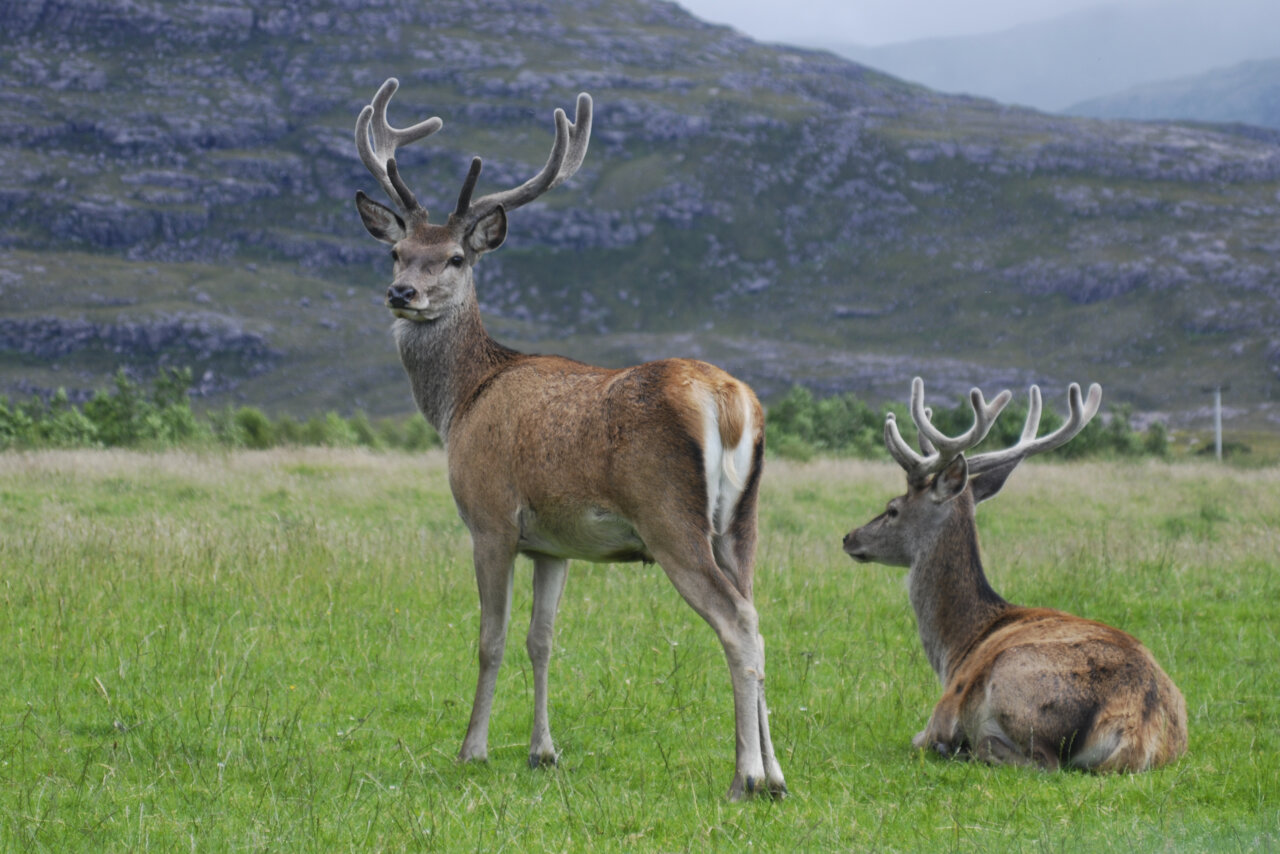
The red deer is one of Hungary’s most characteristic large mammals. The stags’ branching antlers and their calls during the autumn mating season are familiar symbols of the forest. A herd appearing at a woodland edge, or a hind and her calf moving quietly between the trees, can make an unforgettable sight. Fallow deer also form part of Hungary’s wildlife; mature males are recognisable by their distinctive, broad, palm-shaped antlers.
The roe deer is a smaller, graceful member of the deer family. It is a separate species, rather than a young red deer. Roe deer can appear at woodland edges, in meadows and near farmland. They often emerge from cover at dawn or dusk, while in winter several animals may gather in open areas. Wild boar find shelter in forests and reed beds alike; their rooting marks often reveal where they have searched for food. Young piglets are particularly easy to recognise by their striped coats.

Foxes, badgers and brown hares also inhabit the landscape. Otters and Eurasian beavers occur around rivers and lakes. These elusive animals are not always easy to see: footprints, signs along the bank or a gnawed tree trunk may reveal more about their presence than a brief walk.
Birdlife along the Danube
The Danube’s floodplain forests, oxbow lakes and shallow waters are important bird habitats. In Gemenc and Béda–Karapancsa, the close relationship between water and woodland supports a distinctive natural world. The black stork is a characteristic bird of undisturbed forests, feeding in shallow waters. Old trees and a landscape rich in water also provide valuable habitat for the white-tailed eagle.
Herons and egrets search for prey along the water’s edge, ducks swim on open water, and a kingfisher may occasionally perch on a branch above the bank. Woodpeckers and songbirds add their voices to the sounds of the river. As water levels change, feeding areas change too, so the same stretch of river can offer different wildlife sightings at different times.

Birdlife along the Tisza and at Lake Tisza
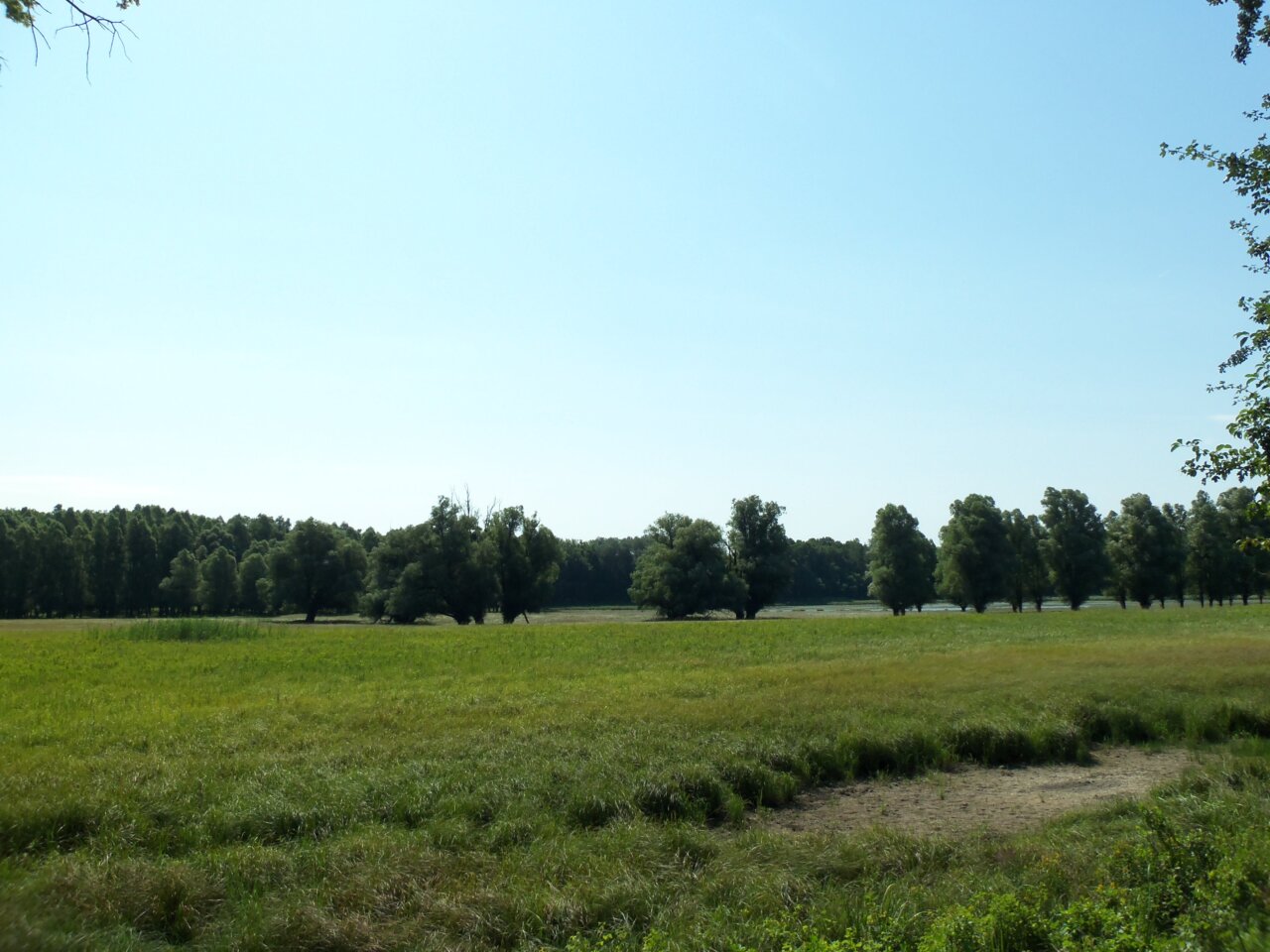
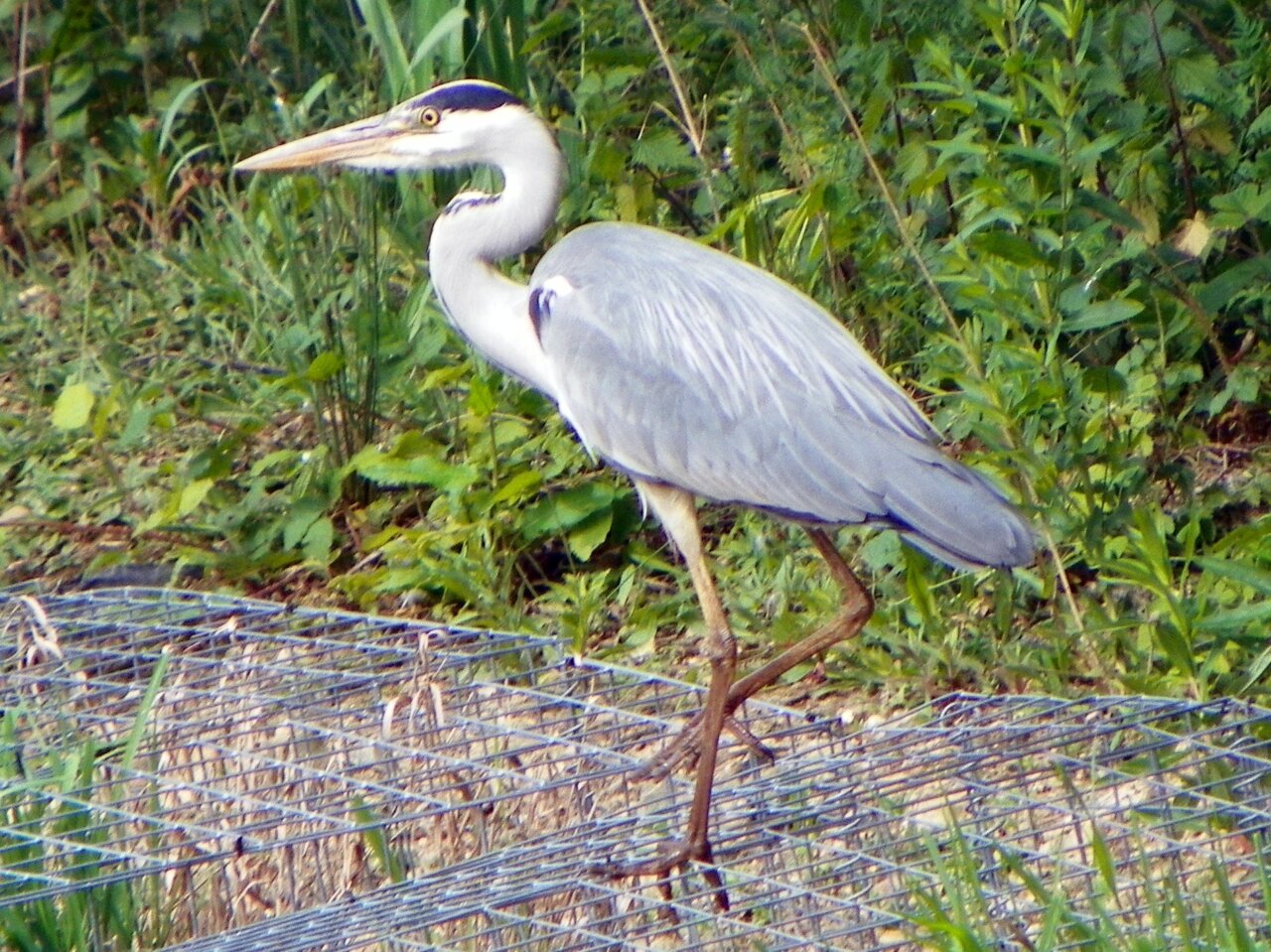
Oxbow lakes, reed beds and floodplain groves along the Tisza, together with Lake Tisza’s mosaic of aquatic habitats, provide breeding, feeding and resting places for many birds. Great egrets, little egrets, grey herons and Eurasian spoonbills can all be observed in these habitats. Spoonbills sweep their distinctive bills through shallow water in search of food, while herons often stand almost motionless, waiting for the right moment.
Ducks and grebes appear on the water, and the voices of songbirds carry from the reeds. Wetlands become especially important during migration, when arriving and departing flocks repeatedly transform the scene.

Discover nature with us!
Természetablak’s cameras offer a glimpse into nature’s daily rhythm. An animal appearing unexpectedly after a quiet spell, changing light or a bird’s movement can all bring a fresh experience. The species described here belong to different habitats across Hungary; what appears on a particular camera depends on its location, the season and the time of day. Choose one of the cameras below and discover wildlife’s small and great moments with us!