Cameras in Paraguay
Wildlife in Paraguay
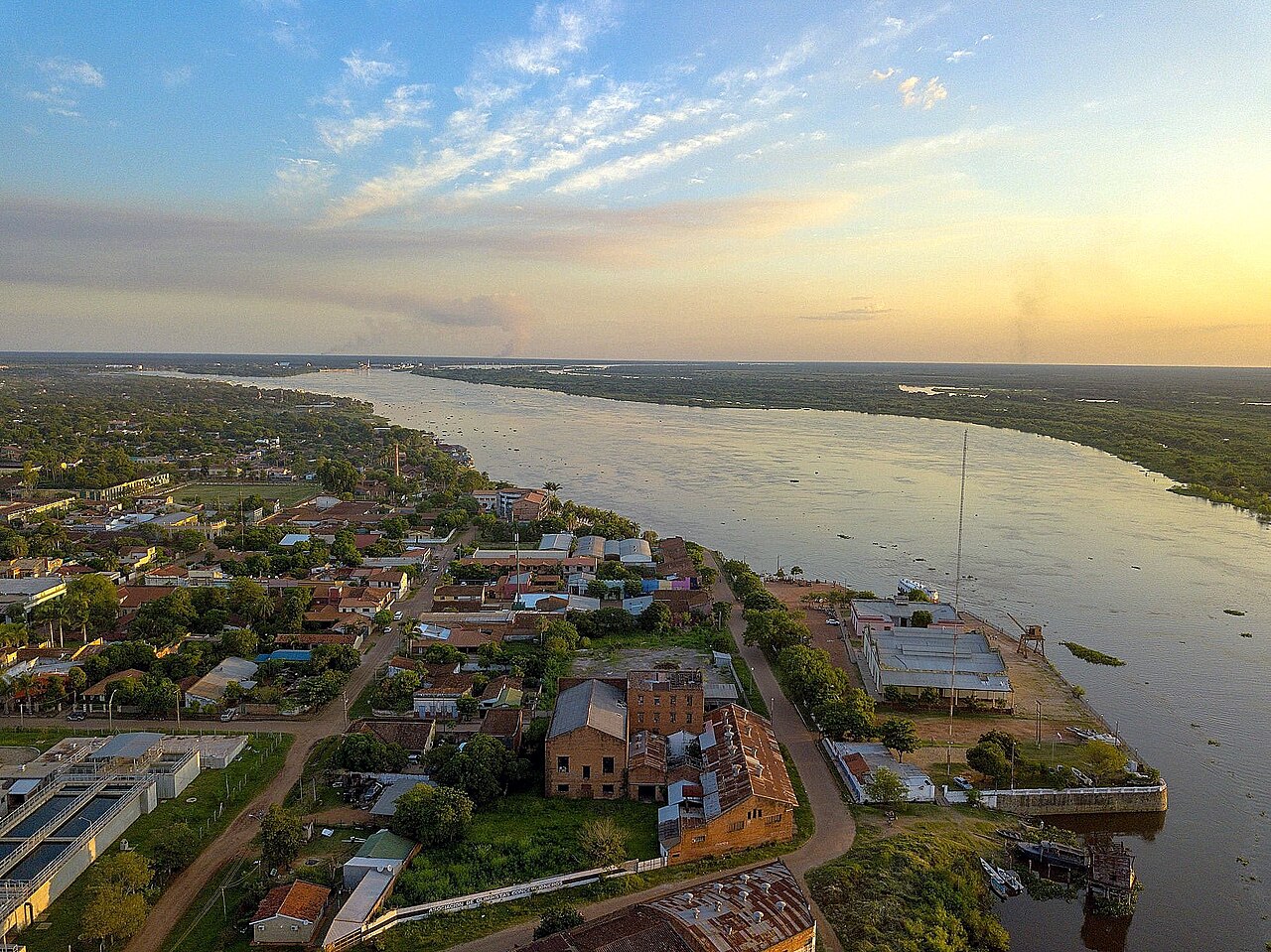
Great rivers, wetlands, forests and open country shape Paraguay’s landscapes. Along the Paraguay River, changing water levels expose banks, sandbars and shallow inlets, then cover them again. Riverside vegetation, islands and nearby wetlands support many birds and animals that depend on water. In the north, the watery world of the Pantanal connects with this landscape, while the drier Chaco and the forests to the east provide habitats for different species.

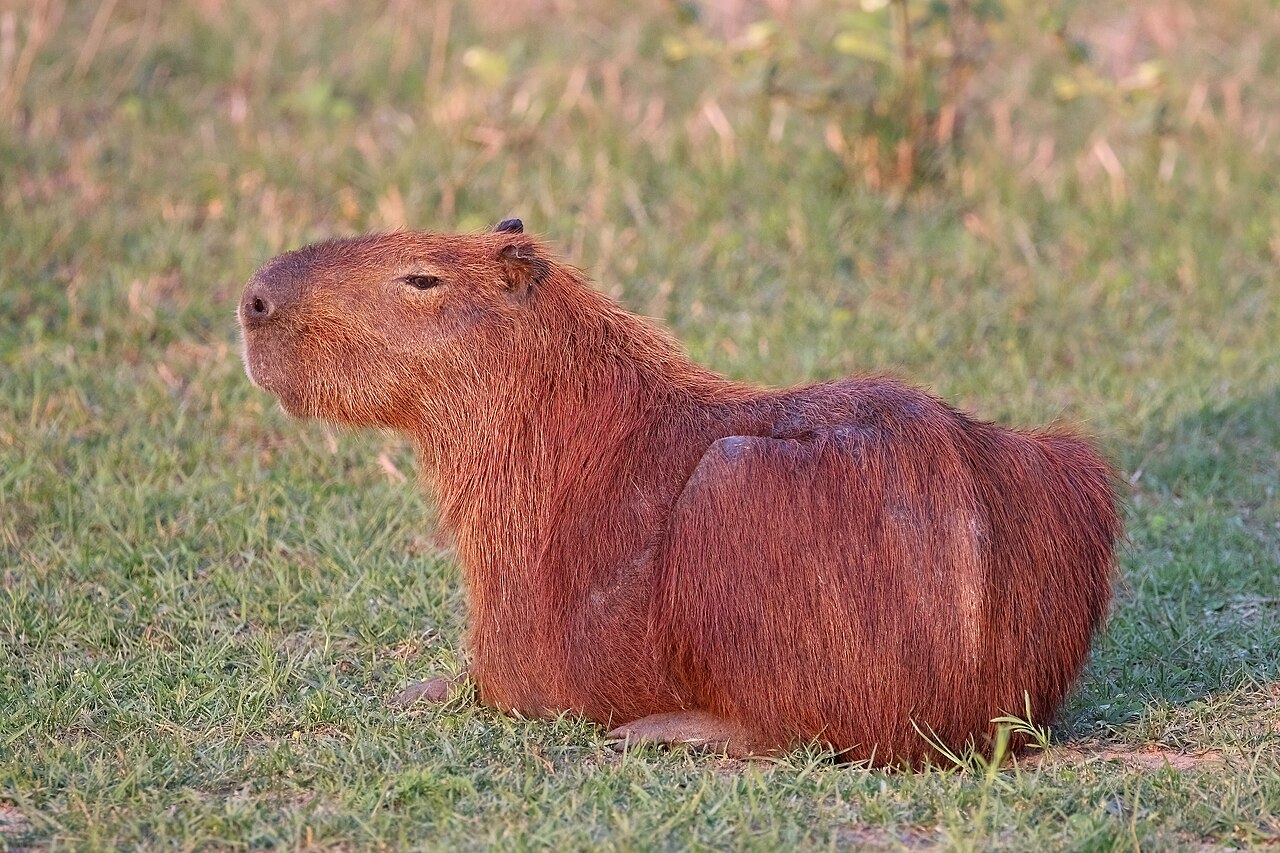
Capybaras by the water
The capybara, known locally as the carpincho, is the world’s largest rodent. Its short ears and blunt muzzle make it easy to recognise. It is a social animal: several individuals may rest and graze together near the water. When threatened, capybaras can quickly retreat into the water, where they move with ease. Riverside plants provide both food and shelter.

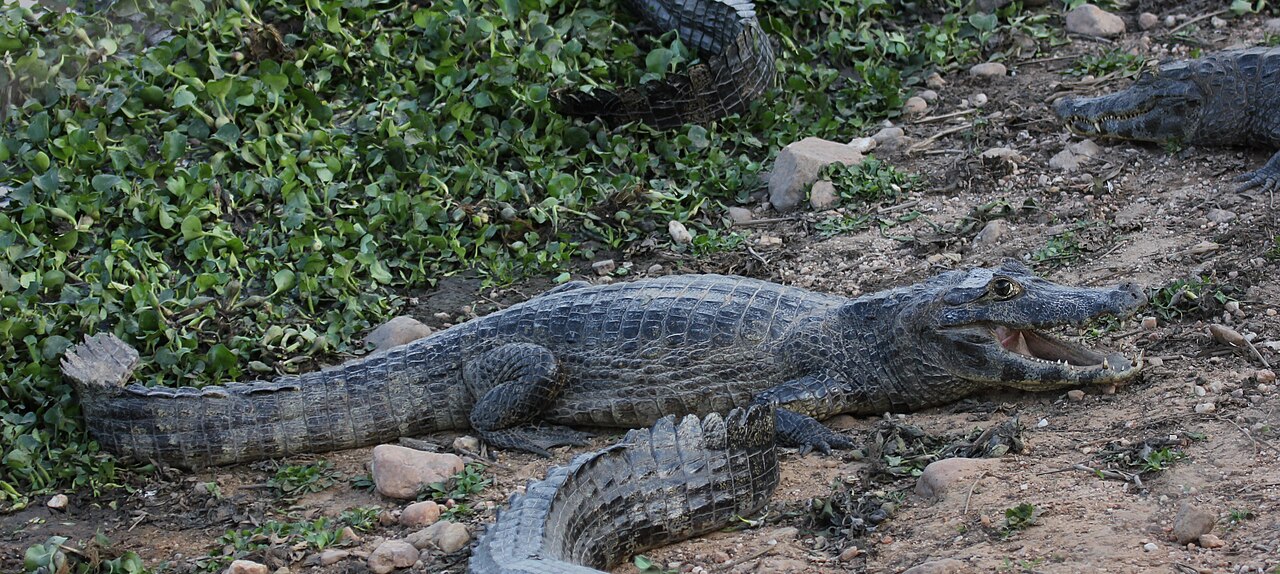
Yacaré: a patient hunter
In Paraguay, the name yacaré can refer to more than one type of caiman; the yacare caiman is one familiar species. Sometimes only its eyes and nostrils rise above the water as it waits motionless. Shallow lakes, channels and marshes are important habitats. As a predator, it forms part of the aquatic food web. It is fascinating to watch, but it is a wild animal whose space should always be respected.

Large mammals farther afield
Paraguay’s wildlife extends far beyond the riverbanks. The jaguar, called jaguareté locally, is an emblematic predator of the wider Chaco and Pantanal landscapes. Elusive and uncommon, it needs connected habitat to survive. Tapirs also inhabit forests: these sturdy plant-eaters have a short, flexible snout. Giant anteaters, peccaries, deer and maned wolves occur in parts of the Chaco and Pantanal. These animals illustrate the diversity of Paraguay’s habitats; they are not a list of expected sightings on the Isla Bonita camera.
Birds of the Paraguay River and Pantanal
Wetland birds are often easier to observe than large mammals. Herons and white egrets forage along the shore; a kingfisher may dart over the water; other wading birds rest on sandbars and in the shallows. Cormorants are associated with fish-rich waters, while riverside trees shelter songbirds and many other species.
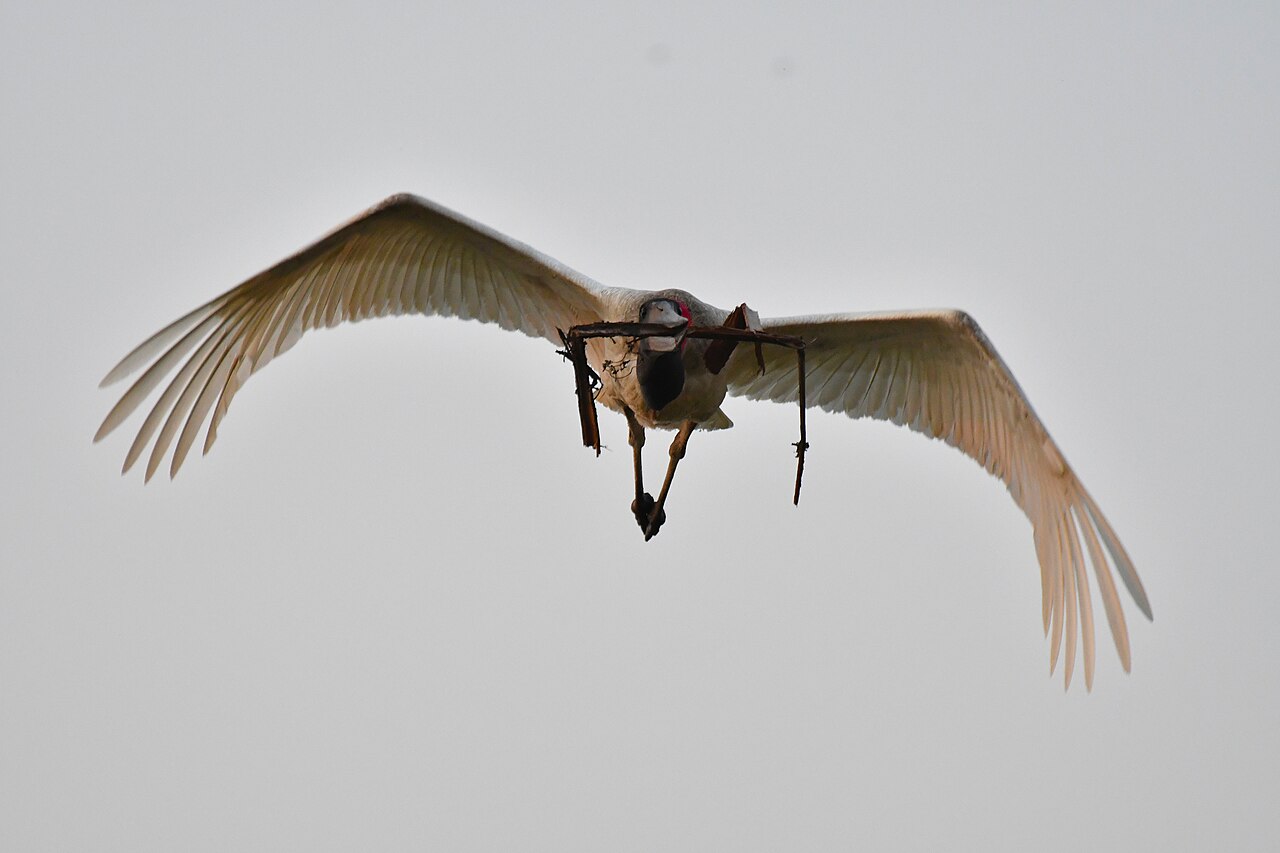
Farther north, in the Pantanal wetlands, the jabiru is particularly striking: a very large stork with black-and-white plumage. Herons, ibises and other waterbirds also rely on shallow water. Birdlife changes with the seasons: rains, floods and drier periods draw feeding birds to different places.

Watch nature unfold
Természetablak’s live camera offers a glimpse of the place as it is now. A bird passing overhead, an animal appearing on the bank or shifting light above the river can make any visit memorable. The species above represent different parts of Paraguay, and their appearance on the camera cannot be guaranteed. On the Isla Bonita live feed below, you will see what nature reveals in that moment.